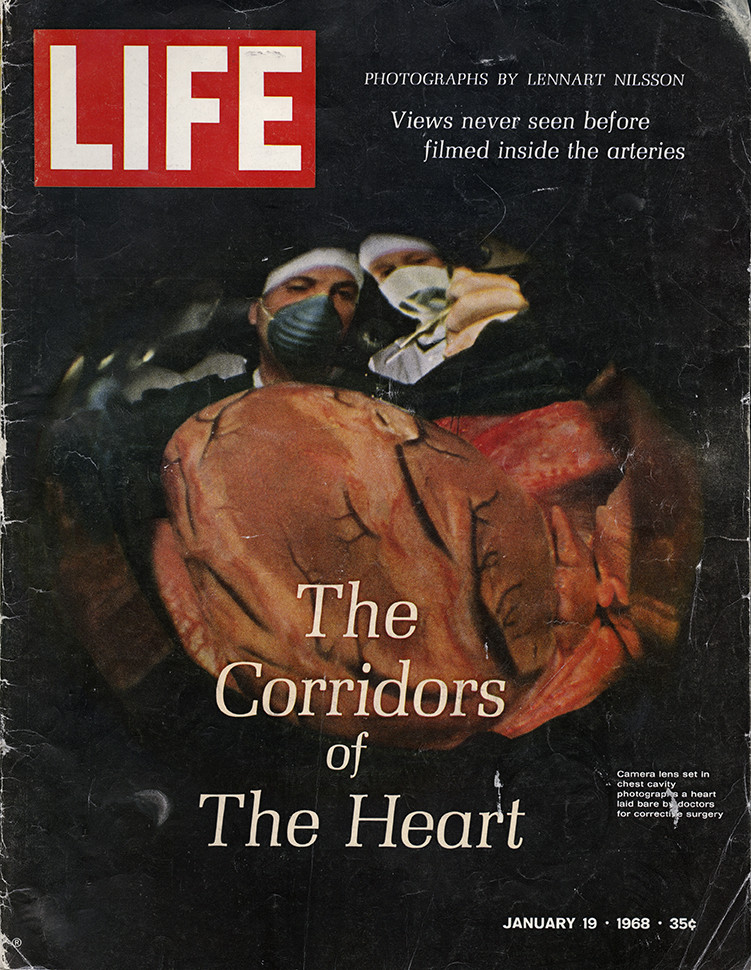
Verk
Se människan (Behold man)
In the book Se människan (Behold Man), published in 1973 by Albert Bonniers Förlag, Lennart Nilsson’s images depict the structure and functions of the human body.

Lennart Nilsson has a legendary level of perseverance. The countless hours he has spent at the microscope and camera to capture exactly the right image are beyond measure.
From the foreword to Se människan (Behold man)
-
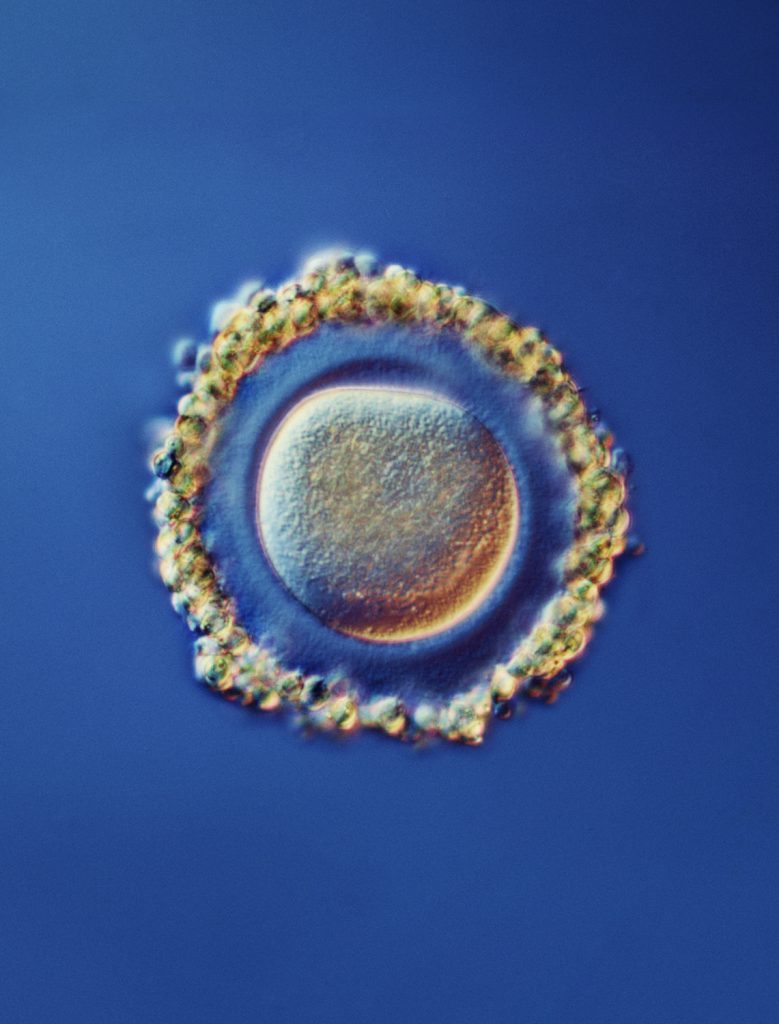
An egg cell surrounded by nourishing cells. ©Lennart NIlsson/SPL -
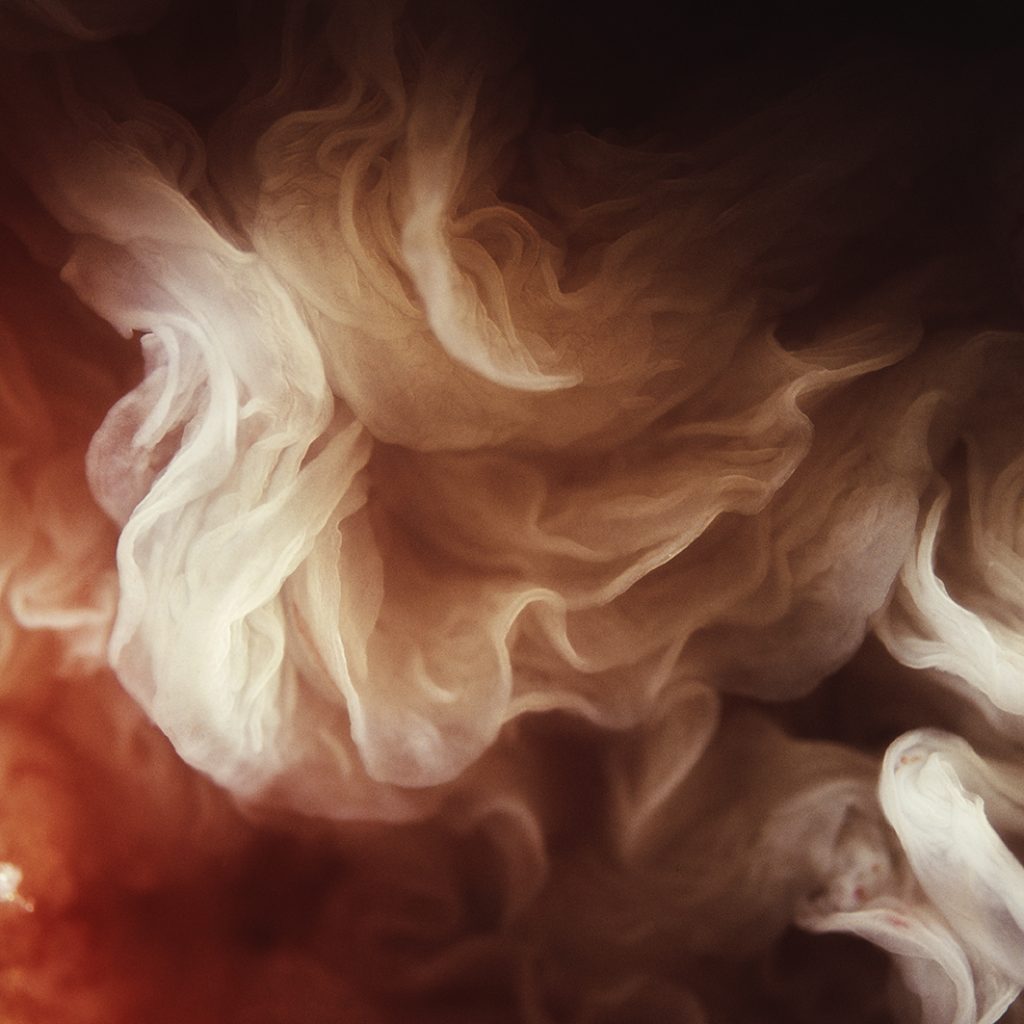
The Fallopian Tube. ©Lennart Nilsson/SPL -
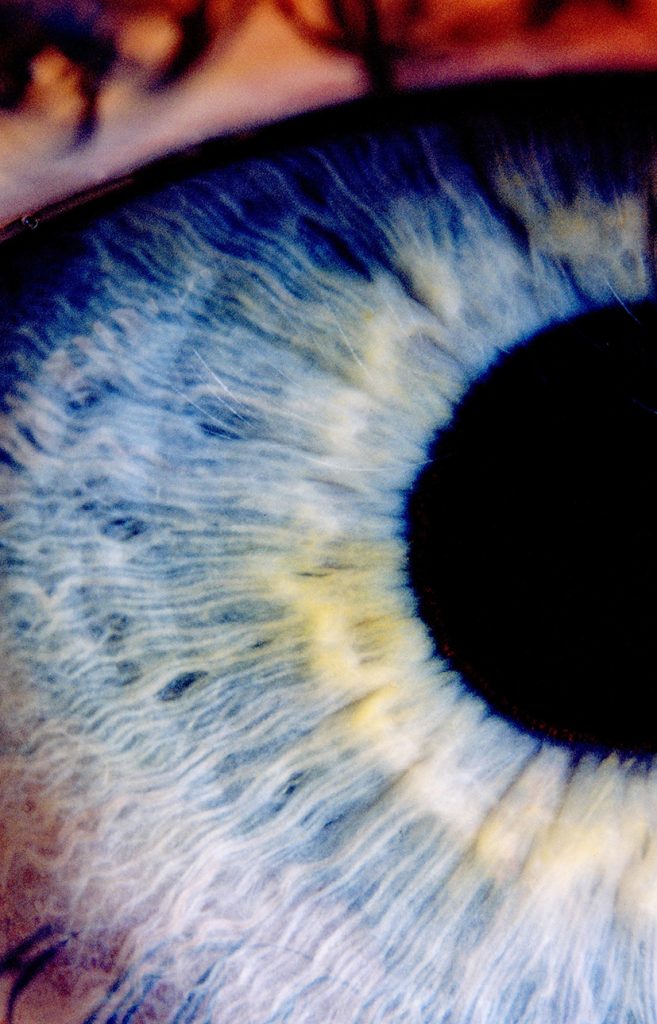
The iris of the eye. ©Lennart Nilsson/SPL -
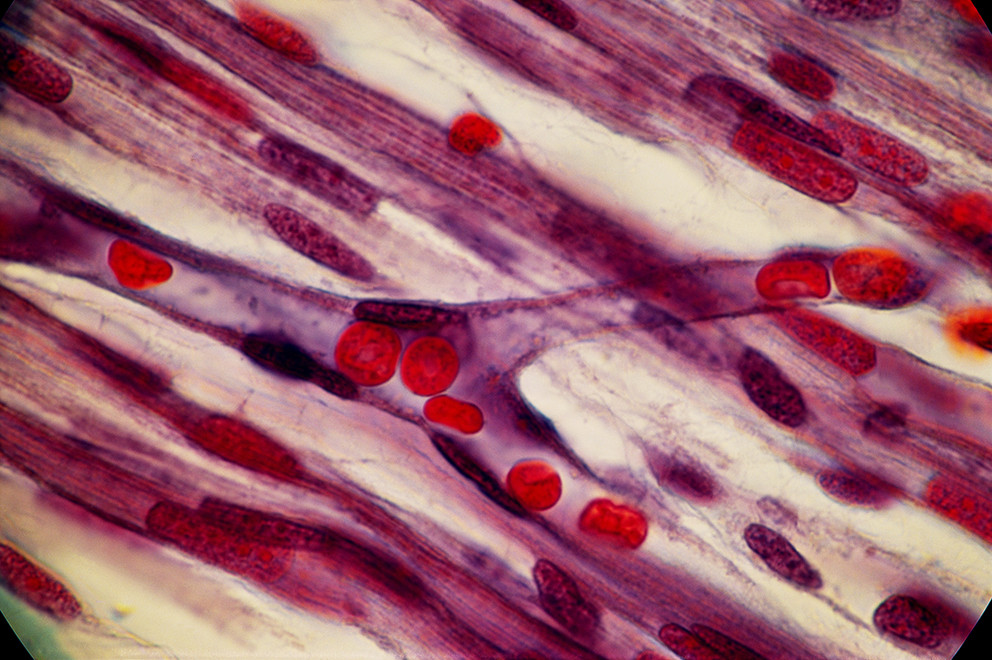
Red blood cells in capillaries. ©Lennart Nilsson/SPL -
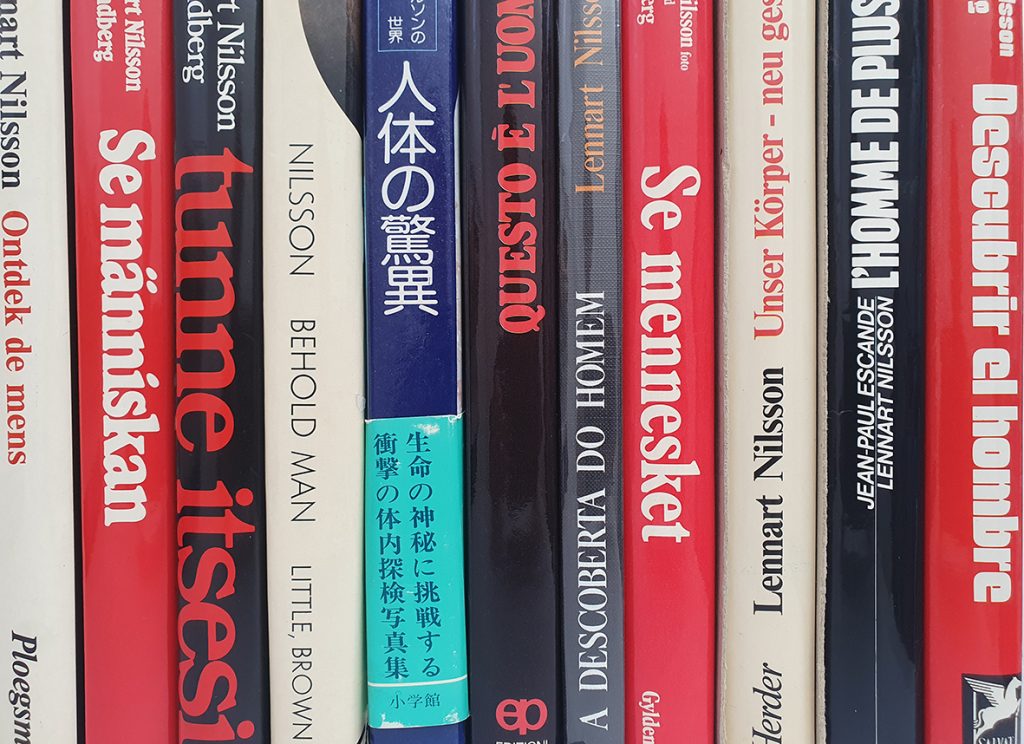
Translations of the book Se människan (1973) -
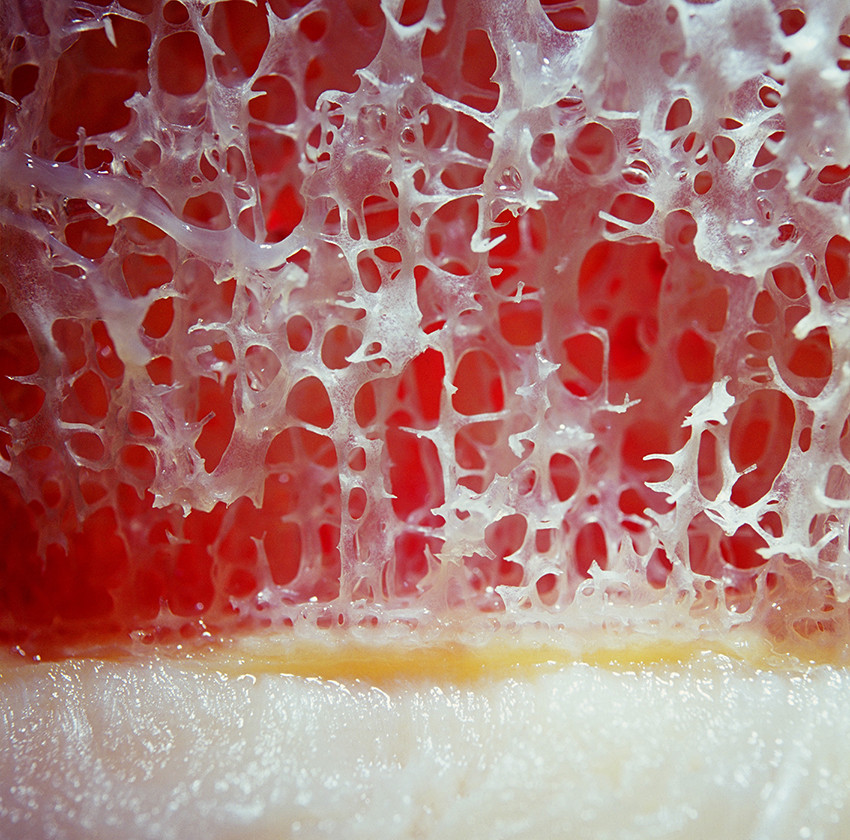
The spongy bone of a vertebra. The white structure is part of the cartilage in the intervertebral disc. The trabeculae form patterns in different directions, 1970. ©Lennart Nilsson/SPL -
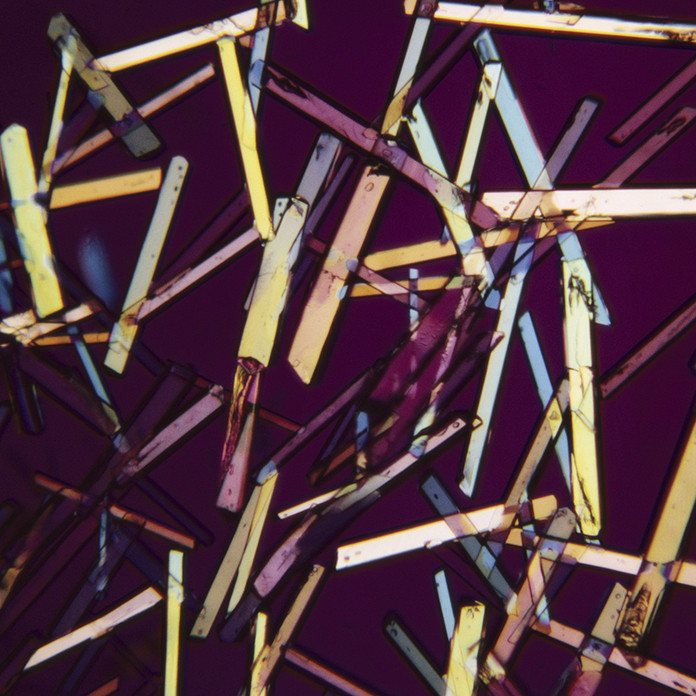
Testosteron, 1971. ©Lennart Nilsson/SPL -
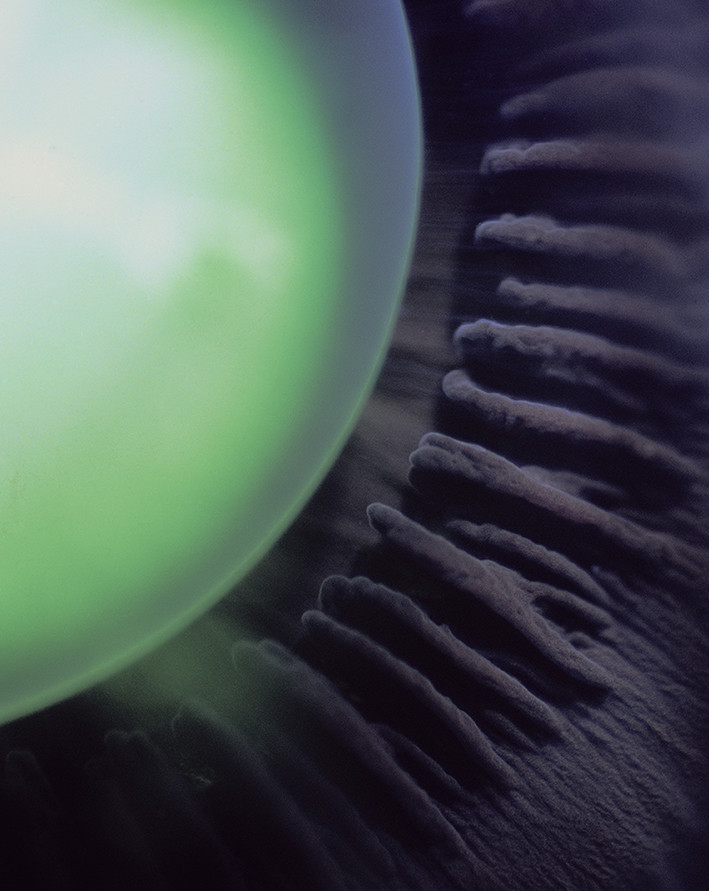
The human eye. ©Lennart Nilsson/SPL -
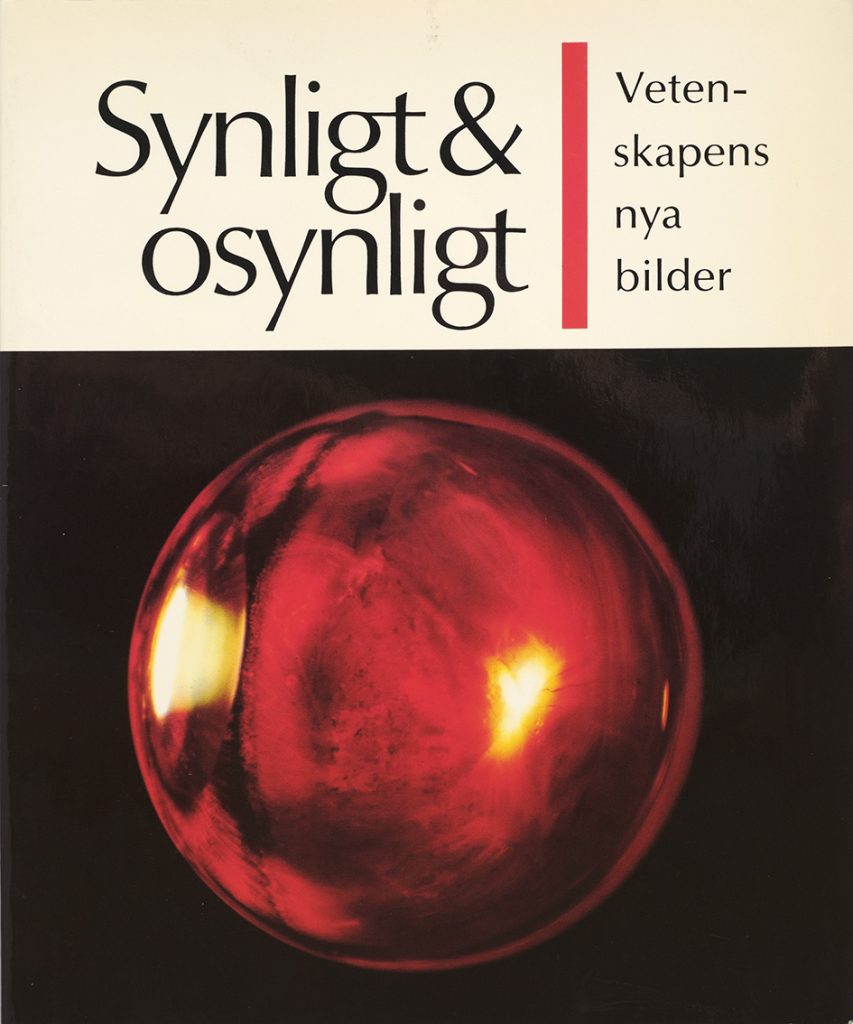
Catalogue for the exhibition Visible & Invisible – Science’s New Images. Moderna Museet in Stockholm, March 17 – May 6, 1973. -
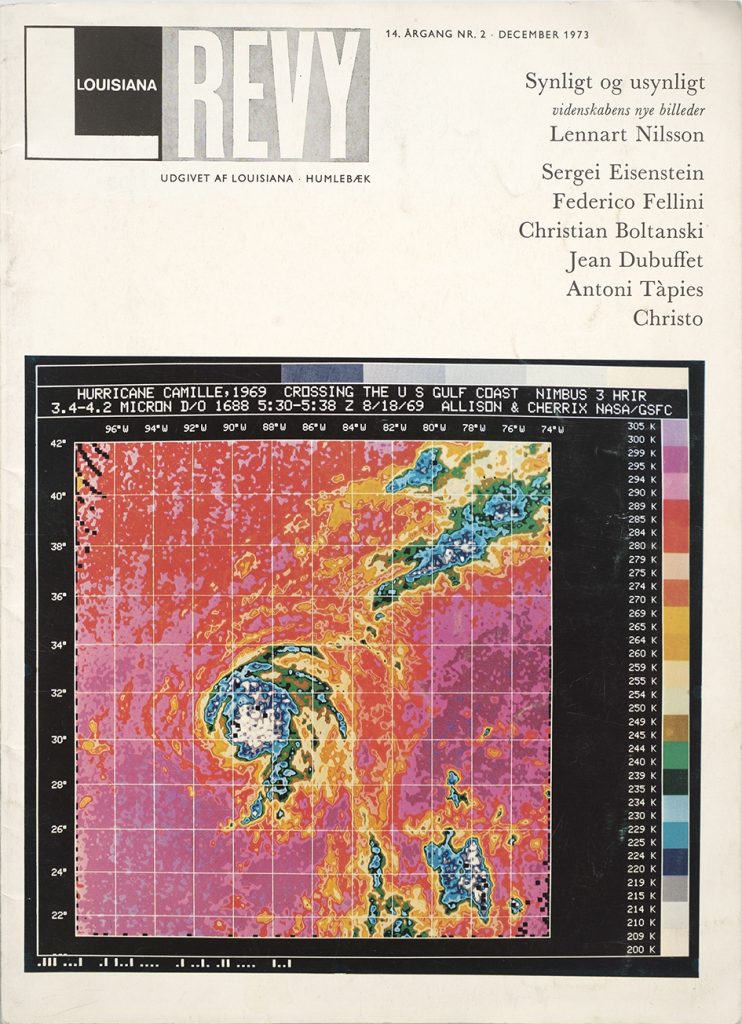
Catalogue for the exhibition Visible & Invisible – Science’s New Images. Louisiana Museum of Modern Art, Humlebæk, Denmark, December 21, 1973 – February 17, 1974.


-
An egg cell surrounded by nourishing cells. ©Lennart NIlsson/SPL -
The Fallopian Tube. ©Lennart Nilsson/SPL -
The iris of the eye. ©Lennart Nilsson/SPL -
Red blood cells in capillaries. ©Lennart Nilsson/SPL -
Translations of the book Se människan (1973) -
The spongy bone of a vertebra. The white structure is part of the cartilage in the intervertebral disc. The trabeculae form patterns in different directions, 1970. ©Lennart Nilsson/SPL
-
Testosteron, 1971. ©Lennart Nilsson/SPL -
The human eye. ©Lennart Nilsson/SPL -
Catalogue for the exhibition Visible & Invisible – Science’s New Images. Moderna Museet in Stockholm, March 17 – May 6, 1973. -
Catalogue for the exhibition Visible & Invisible – Science’s New Images. Louisiana Museum of Modern Art, Humlebæk, Denmark, December 21, 1973 – February 17, 1974.
The cell—the smallest functional unit of life—is presented first. The egg—the largest human cell—followed by its fertilization and subsequent divisions. The various functions and organ systems are then presented in turn: the folds of the brain, the beating of the heart, the breath of the lungs, the circulation of the blood…